Osty Tank
Snecrobinder
Osty, the Necrobinder's skeletal companion, absorbs all incoming damage as long as they remain alive. The Osty Tank archetype treats this mechanic as the primary survival strategy: invest in healing and buffing Osty to maintain the damage shield indefinitely, while Osty's attacks contribute free offense.

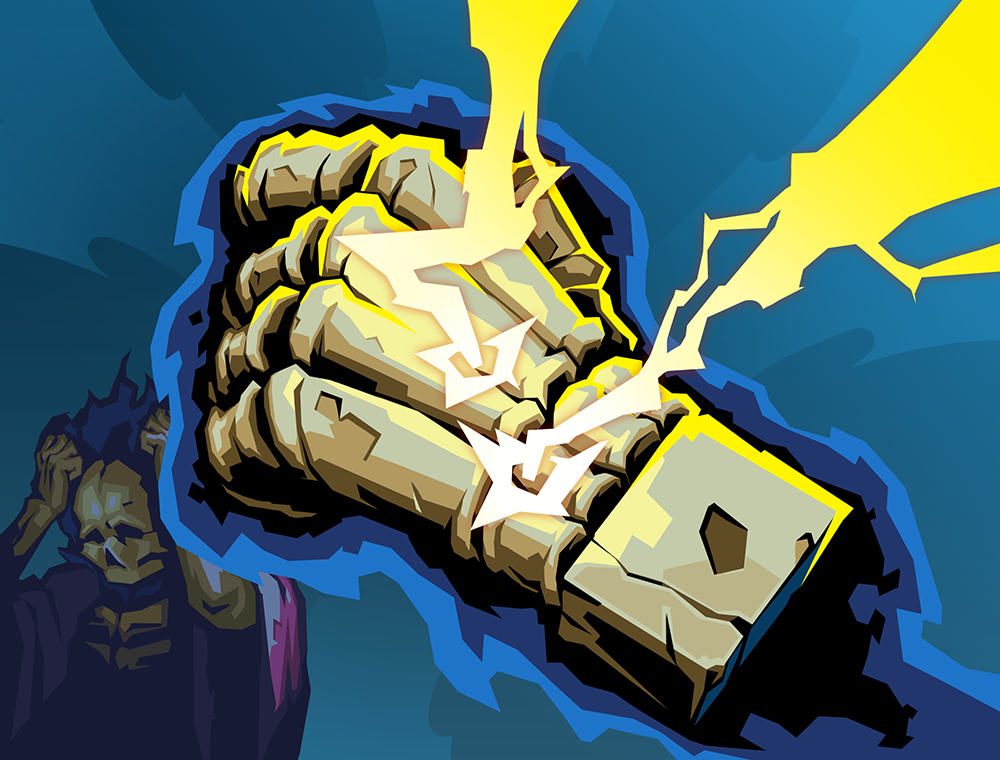

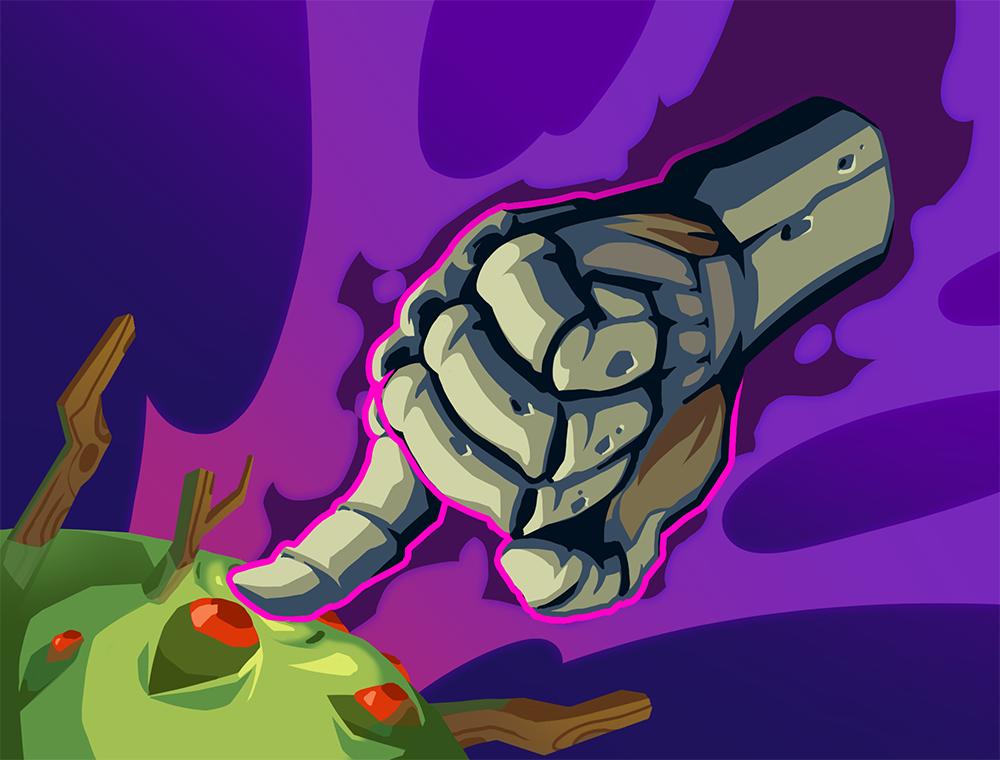
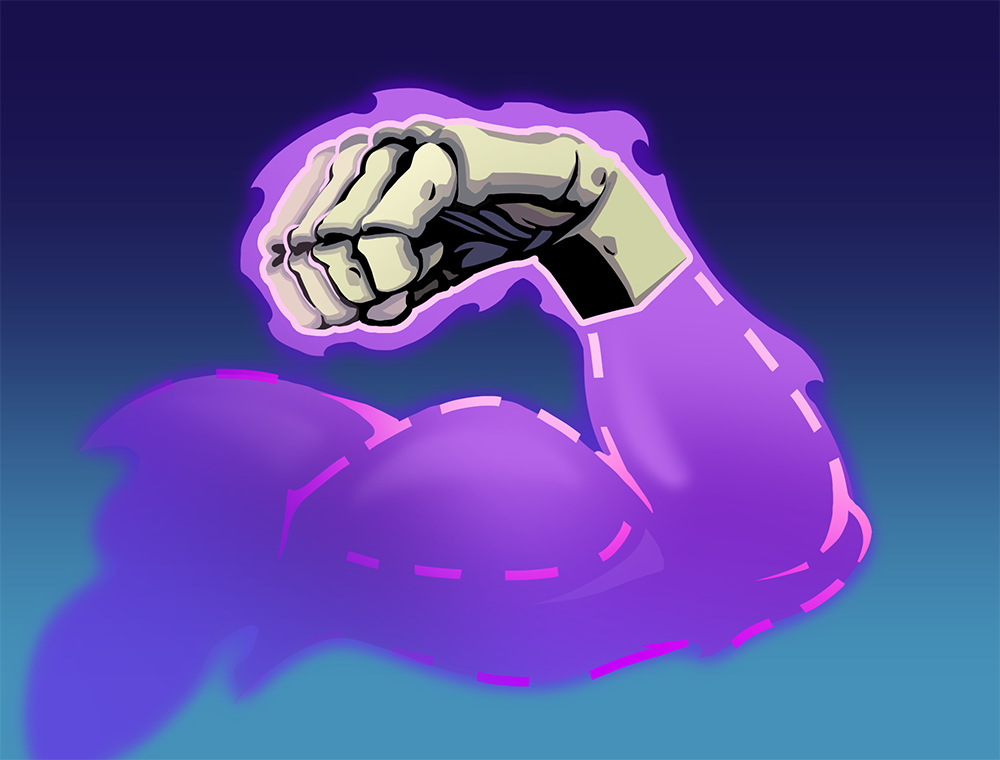
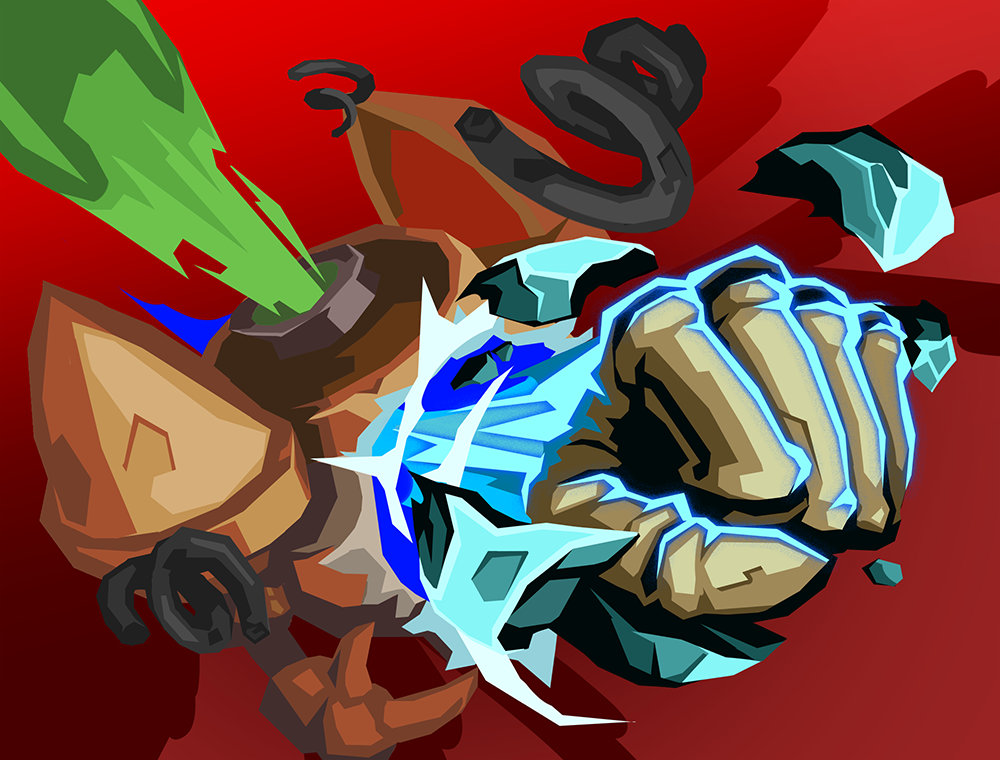
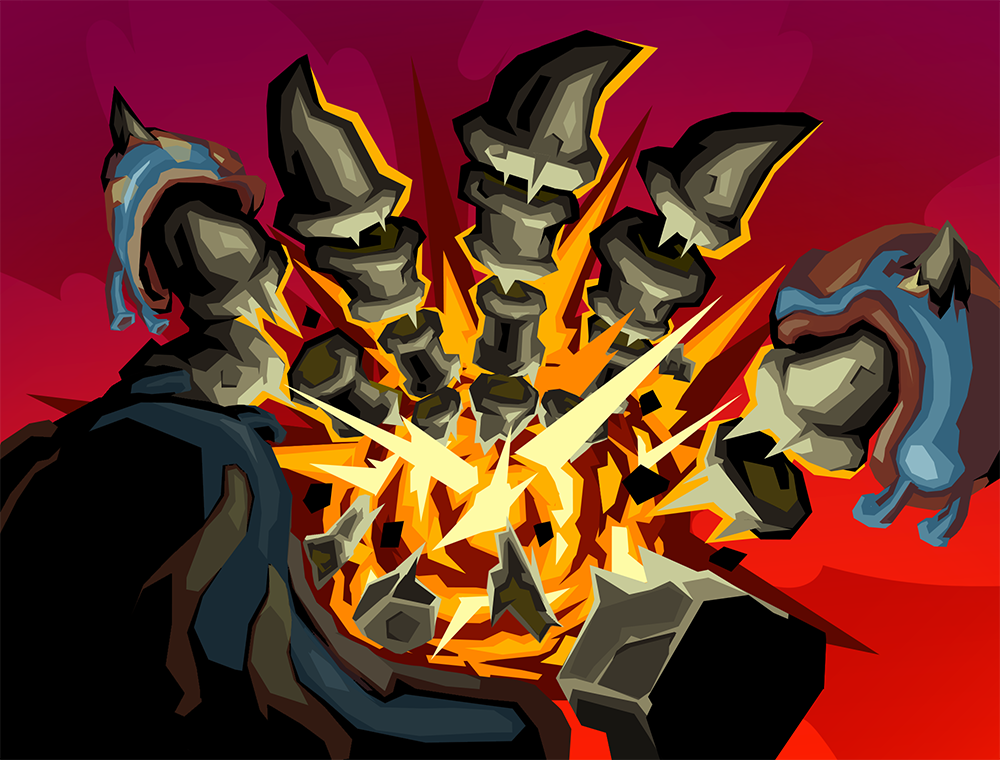
The Osty Tank archetype exploits one of the most unusual defensive mechanics in STS2: as long as Osty is alive, all damage dealt to the Necrobinder is redirected to Osty instead. At 66 HP — the lowest in the game — the Necrobinder would otherwise be the most fragile character. The Osty mechanic inverts this entirely. A properly maintained Osty turns the Necrobinder into the most durable character in multi-turn fights, since Osty's HP pool functions as an independent health bar that absorbs hits the Necrobinder cannot afford to take. The fundamental principle of Osty Tank is that Osty's survival is not optional — it is the entire strategy. Every card decision, every relic priority, and every combat action should be evaluated first by the question: does this keep Osty alive or does it not? Summon cards like Bodyguard and Afterlife that restore Osty's HP are more important in Act 1 than any offensive card, including cards that would accelerate Doom stacking or generate Souls. An Osty that reaches 0 HP does not come back mid-fight, and at 66 Necrobinder HP, taking full enemy damage for two or three turns is often lethal. Once Osty survival is established, the archetype's offensive progression is simple and deeply satisfying. Calcify applies permanent damage bonuses to Osty's attacks that persist across fights — an Osty buffed with Calcify in Act 1 deals that increased damage in Act 2, Act 3, and the final boss. Stack Calcify aggressively whenever Summon cards are covered, and Poke becomes a reliable 20-30+ damage threat that fires every turn for 0 energy. The Necrobinder's energy becomes entirely available for supplemental offense via Sic 'Em, Rattle, and Squeeze, plus draw and emergency Osty Summoning — a resource efficiency that few other builds achieve. The archetype's natural relationship with Doom Stacking is the most important advanced interaction to understand. Poke and Blight Strike provide the chip damage that drives enemies toward the Doom threshold, and Osty's tanking provides the time to stack Doom via Scourge without pressure. A run that develops both Osty Tank infrastructure and a Doom Stacking kill condition via End of Days is stronger than either pure archetype — the defense (Osty tank) enables the offense (Doom accumulation), and the offense (End of Days execute) ends fights before Osty HP becomes a concern. When both archetypes appear in the same run, combine them.
Card Tier List
Synergy Map
Osty Sustain + Osty Attacks
Build DefiningThe foundation of the archetype. Bodyguard and Afterlife maintain Osty's HP as a damage shield indefinitely. Poke delivers free offense each turn. Calcify amplifies that offense permanently. When all three are operational, the Necrobinder effectively plays for free — Osty absorbs all incoming damage while dealing increasing damage, and the Necrobinder's energy is spent entirely on offense or draw.
Osty Tank + Doom Stacking
StrongThe natural hybrid. Osty Tank's survival infrastructure makes Doom Stacking's patience requirement viable — you can spend 4-5 turns stacking Doom via Scourge without worrying about incoming damage because Osty absorbs everything. The two archetypes reinforce each other.
Priority Picks
Act 1
Establish Osty survival immediately. The starting Bound Phylactery relic ensures Osty begins each combat — your job is to keep Osty alive. Acquire Bodyguard and Afterlife before offensive cards. An Osty that dies in Act 1 is a run-ending crisis at 66 Necrobinder HP.
Priorities
- 1.Neurosurge is the single highest-value card — 0-cost for +3 energy and draw 2 lets you play Bodyguard AND Poke on the same turn
- 2.Bodyguard and Afterlife are the first priority — no exceptions
- 3.Calcify to begin permanent Osty damage scaling
- 4.Poke for free 0-cost Osty damage
- 5.Avoid elites until Osty sustain is established
Card Picks
Key Decisions
Offered Afterlife vs Calcify in Act 1
Take Afterlife
A dead Osty has no damage to buff. Sustain first, scaling second — always.
Elite fight with no Bodyguard or Afterlife in deck yet
Skip the elite
66 HP with no Osty Summon cards is not enough margin for Act 1 elite fights. The relic reward is not worth the HP loss risk.
Act 2
Scale Osty offensively. With Summon cards established in Act 1, Act 2 is about accumulating Calcify copies and offensive Osty attacks. Osty's attacks should deal 15-20 damage per hit by end of Act 2. Begin incorporating Doom Stacking cards like Scourge if they appear — the two archetypes work well together.
Priorities
- 1.Calcify — permanent damage scaling across fights
- 2.Rattle and Sic 'Em for in-fight Osty damage amplification
- 3.Pull Aggro as emergency Osty protection with Block
- 4.Consider Scourge and Countdown for Doom hybrid value
Card Picks
Key Decisions
Offered Doom Stacking cards alongside Osty cards
Take one or two Doom cards — End of Days especially
Osty Tank and Doom Stacking share Osty chip damage as the kill condition. Adding End of Days gives you an execute condition on top of sustained Osty damage — dramatically speeds up fights.
Second Bodyguard vs Calcify
Take the second Bodyguard if Osty is still dying before fights end
Redundancy in Summon cards means Osty almost never dies. Once Osty survival is extremely consistent, pivot to Calcify for offense.
Act 3
Osty attacks should deal 20-30+ damage per hit by now with Calcify stacks. Most fights end within 5-6 Poke and Rattle plays — the Necrobinder barely needs to take actions beyond sustaining Osty's HP. The build becomes remarkably passive: maintain Osty, let the attacks resolve, win.
Priorities
- 1.Continue stacking Calcify — every Act 3 copy is permanent for the boss
- 2.Deck thinning to cycle Osty cards faster
- 3.Afterlife and Capture Spirit for Soul cycling draw support
- 4.Second copies of Bodyguard for Summon redundancy
Card Picks
Key Decisions
Should you invest in Necrobinder self-defense or Osty HP?
Osty HP always — self-defense means Osty is already dead
Self-defense cards only matter when Osty is not tanking. If you are spending energy on self-defense, Osty has already died and you have larger problems than card selection.
Act 3 elite deals multi-hit damage that overwhelms Osty HP
Use Pull Aggro proactively on turns the elite attacks hard
Osty HP is finite and some Act 3 elites deal burst damage. Proactive Pull Aggro on high-damage turns prevents the death that would otherwise cascade into the Necrobinder taking full damage.
Pilot Walkthrough
Overview
Establish Osty survival immediately. The starting Bound Phylactery relic ensures Osty begins each combat — your job is to keep Osty alive. Acquire Bodyguard and Afterlife before offensive cards. An Osty that dies in Act 1 is a run-ending crisis at 66 Necrobinder HP.
Priorities
- 1Neurosurge is the single highest-value card — 0-cost for +3 energy and draw 2 lets you play Bodyguard AND Poke on the same turn
- 2Bodyguard and Afterlife are the first priority — no exceptions
- 3Calcify to begin permanent Osty damage scaling
- 4Poke for free 0-cost Osty damage
- 5Avoid elites until Osty sustain is established
Card Picks
Card Removals
Relic Priorities
Decision Points
Offered Afterlife vs Calcify in Act 1
Take Afterlife
A dead Osty has no damage to buff. Sustain first, scaling second — always.
Elite fight with no Bodyguard or Afterlife in deck yet
Skip the elite
66 HP with no Osty Summon cards is not enough margin for Act 1 elite fights. The relic reward is not worth the HP loss risk.
Elite Strategy
Skip Act 1 elites until you have 2+ Osty Summon cards (Bodyguard, Afterlife). When you do fight them, prioritize Summoning for Osty immediately when its HP drops below 50%.
Boss Strategy
Act 1 boss: Osty should be consistently alive by now. Play Calcify on turn 1-2, then use Poke for sustained free damage. Summon for Osty via Bodyguard whenever needed — the boss fight is long and Osty needs to survive all phases.
Bad RNG Fallback
Bad RNG Fallback
If Osty Summon cards like Bodyguard and Afterlife do not appear in Act 1, the archetype is unsustainable at 66 HP. Shift immediately to Soul Cycle for draw and rely on Doom Stacking cards like Scourge for offense. Soul Cycle provides the card access that compensates for missing Osty infrastructure.
If you don't see:
Consider pivoting to:
- →doom-stacking
- →soul-cycle
Multiplayer Tips
Osty tanking is LESS reliable in multiplayer — more incoming damage sources overwhelm Osty HP faster
Multiple enemies in multiplayer fights deal more total damage per turn. Osty HP can be overwhelmed faster than single-player. Prioritize Pull Aggro and redundant Summon cards like Bodyguard in MP.
Necrobinder + Ironclad is the strongest 2-player pairing
Ironclad tanks and self-heals via Burning Blood. Necrobinder operates behind Osty with no incoming damage. The two characters each handle their own survival independently, freeing both to focus on offense.
Do not try to tank for the team — Osty only protects the Necrobinder
Osty absorbs damage dealt to the Necrobinder only. Ironclad should handle team tanking in multiplayer while Necrobinder operates behind the Osty shield independently.
Osty attack damage is flat — proportionally weaker against scaled MP enemy HP
Calcify buffs increase Osty's damage by flat amounts. Against multiplayer enemies with significantly more HP, even buffed Osty attacks take more turns to kill. Stack Calcify aggressively in Acts 1-2 to compensate, and pair with teammates who apply Vulnerable so each Osty hit deals amplified damage.