Block / Body Slam
Aironclad
Stack massive Block and convert it to damage via Body Slam. A highly defensive playstyle that becomes lethal once Barricade allows Block to persist between turns.
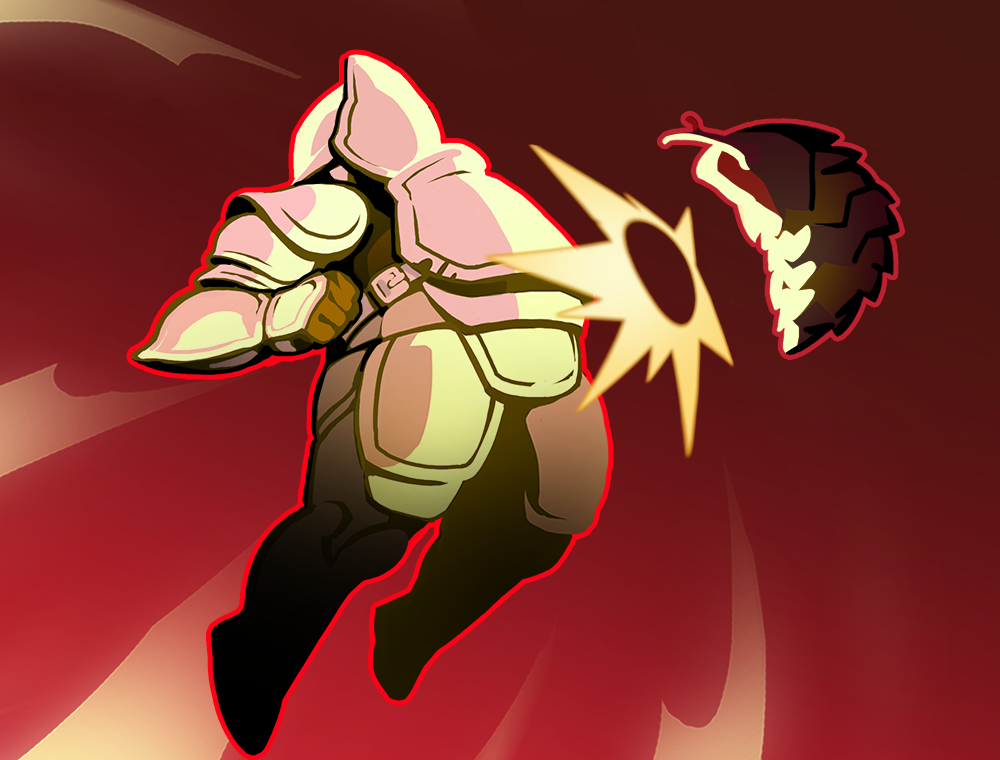
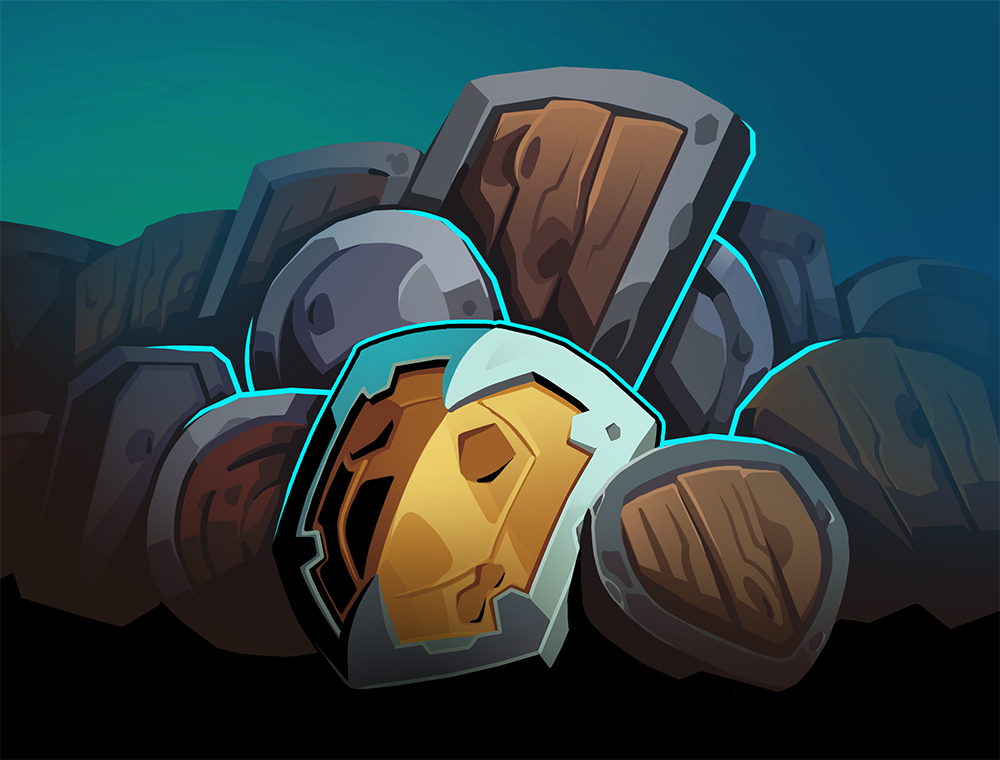
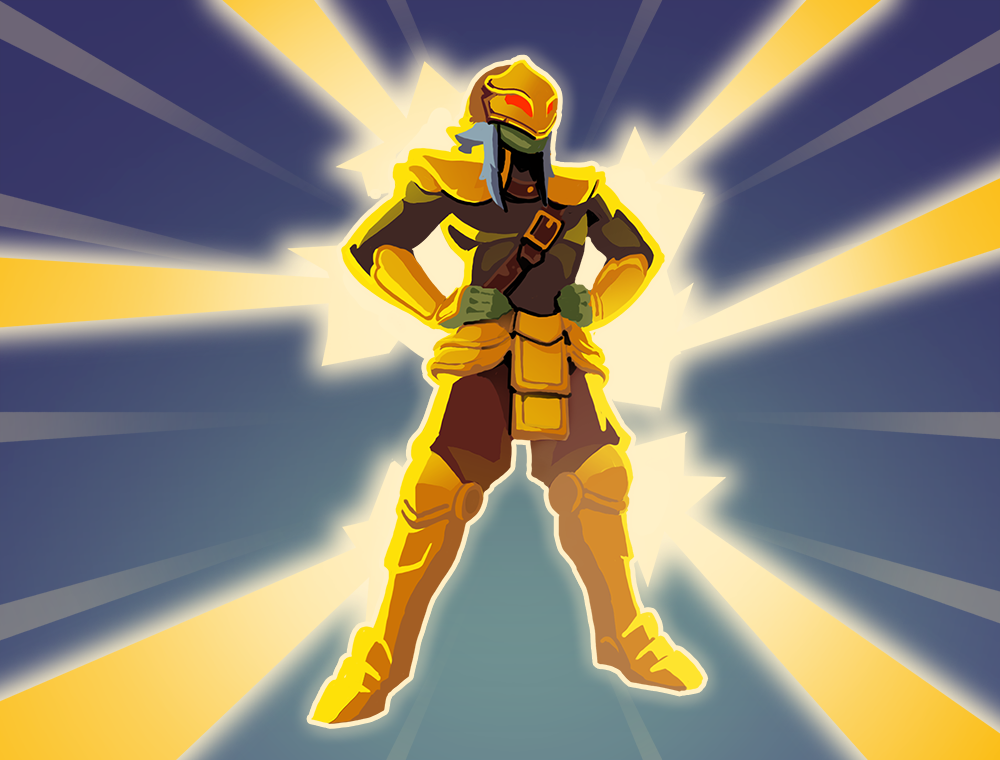
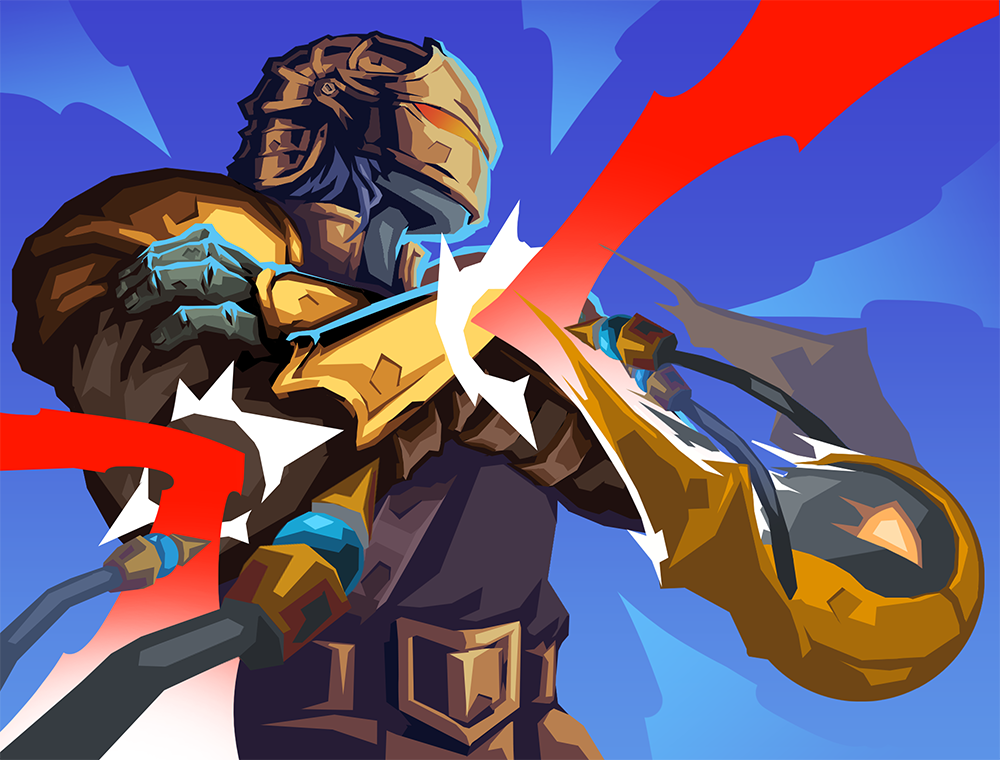
Block/Body Slam is the Ironclad archetype that most defies the character's aggressive reputation. You spend the majority of each fight patiently accumulating Block — defending, drawing, and stacking — until the moment Body Slam converts that number into a lethal attack. The game plan is transparent and methodical: build a wall, then throw the wall at the enemy. What makes it effective is how efficient the math becomes once Barricade prevents your Block from expiring. Every Defend card you play is now permanent damage. Every Impervious is 30 instant damage. Unmovable doubles the first Block gain each turn, accelerating both your defense and your kill speed simultaneously. The critical insight for piloting this archetype is that Body Slam is not a finisher you play last — it is a card you weave into your turns as soon as you have accumulated meaningful Block. Without Barricade, you play Impervious for 30 Block and Body Slam immediately for 30 damage, then rebuild Block on the next turn. With Barricade, the calculation changes: you delay Body Slam for one extra turn of accumulation and deal 60 instead of 30. The correct play depends on reading the enemy's intent. If the enemy is preparing a buff or a large hit, Body Slam now before the situation complicates. If the enemy is attacking for manageable amounts, wait one more turn and hit harder. Deck composition discipline is what separates strong and weak Block/Body Slam runs. Many players over-add Block cards, ending up with a 20-card deck that cycles slowly and draws Body Slam infrequently. The ideal composition is 10-12 cards: Barricade, Unmovable, two or three Shrug It Offs, one Impervious, one Stone Armor, one Body Slam, and a handful of defensive filler for early game. Every card beyond that dilutes your cycling speed and reduces how often Body Slam appears in hand. Remove aggressively at every shop — card removal is the highest-value purchase in this archetype after acquiring the three core cards.
Card Tier List
Synergy Map
Barricade + Unmovable + Body Slam
Build DefiningThe build's core loop: play Barricade to lock in Block persistence, play Unmovable to double the first Block gain each turn, accumulate Block over multiple turns with Impervious and Shrug It Off, then cash out with Body Slam. Impervious under Unmovable grants 60 Block in one play, and Body Slam delivers 60 damage — enough to kill most non-boss enemies.
Stone Armor + Barricade Compounding
StrongOnce both are active, Stone Armor's Plating generates passive Block each turn that Barricade prevents from expiring. Over five turns this is significant passive Block that feeds into Body Slam for free — a slow but uncontested damage source.
Impervious + Body Slam Burst
Nice to HaveEven without Barricade, playing Impervious then Body Slam on the same turn deals 30 damage while protecting you — a self-contained mini-combo that is effective at any stage of the run.
Priority Picks
Act 1
Act 1 is about establishing a defensive foundation that the rest of the build will amplify. Body Slam itself does not appear in Act 1 rewards reliably, so you are building the infrastructure — Block cards that will later convert to damage.
Priorities
- 1.Pick up Shrug It Off and Iron Wave as primary Act 1 cards — they provide Block and work toward Body Slam payoffs later.
- 2.Avoid heavy attack cards — your damage comes from Body Slam, not direct attacks.
- 3.Stay alive — this archetype is slower than Exhaust/Infinite and cannot trade punches the same way.
- 4.One card removal at the first shop available.
Card Picks
Key Decisions
Offered Body Slam in Act 1 without Barricade
Take Body Slam immediately.
Body Slam is usable without Barricade — even on a single-turn block total of 15-20, it does more damage than a Strike. Its value compounds with every future Block card you add.
Offered Exhaust cards like Corruption with no Block cards yet
Take Corruption and consider pivoting to Exhaust/Infinite.
Corruption is the cornerstone of the S-tier Exhaust/Infinite archetype. If it appears before Block cards, the pivot is almost always correct.
Act 2
Act 2 is the critical assembly window. Body Slam, Barricade, and Unmovable all appear in Act 2 card rewards. Finding two of the three converts your run into the intended archetype; finding all three makes you nearly unstoppable.
Priorities
- 1.Body Slam is top priority if not already held.
- 2.Barricade is the second-highest priority — enables the entire compounding Block strategy.
- 3.Unmovable upgrades the Block doubling from nice-to-have to game-winning.
- 4.Shop at every opportunity; card removal on remaining Strikes is worth the gold.
Card Picks
Key Decisions
Offered Barricade vs. Body Slam when you only have one but not the other
Take whichever you are missing; Barricade is marginally higher priority.
Barricade enables the compounding that makes Body Slam lethal. Body Slam without Barricade still deals reasonable damage per turn. Either order is fine, but having Barricade before Body Slam slightly accelerates Block accumulation.
No Body Slam by late Act 2
Begin considering Exhaust/Infinite pivot if Corruption is available.
Block/Body Slam without Body Slam is just a defensive deck — survivability without a win condition. Without Body Slam by Act 2 boss, you need a damage source and Corruption into the Exhaust engine is the next best option.
Act 3
Act 3 is about pushing Block generation to levels that are lethal via Body Slam in one or two plays. Add Impervious if not yet held, remove all remaining Strikes, and consider whether a second Body Slam or Crimson Mantle would accelerate your kill turns.
Priorities
- 1.Acquire Impervious if not yet present — 30 Block in one card is the backbone of Body Slam turns.
- 2.Remove all remaining Strikes — they waste energy on turns meant for Barricade + Unmovable + Body Slam.
- 3.Consider second copies of key Block cards to improve density.
Card Picks
Key Decisions
Offered Exhaust synergy cards like Corruption at Act 3 shop
Skip unless your damage is clearly insufficient.
Late-game additions that overlap with Exhaust/Infinite pull your deck in two directions. Trust your Block engine.
Act 3 boss uses a buff that reduces Block effectiveness
Shift to Impervious + Body Slam burst and accept some HP loss.
Some bosses have abilities that reduce or ignore Block. In those matchups, you play aggressively with body slam bursts rather than trying to accumulate infinite Block.
Pilot Walkthrough
Overview
Act 1 is about establishing a defensive foundation that the rest of the build will amplify. Body Slam itself does not appear in Act 1 rewards reliably, so you are building the infrastructure — Block cards that will later convert to damage.
Priorities
- 1Pick up Shrug It Off and Iron Wave as primary Act 1 cards — they provide Block and work toward Body Slam payoffs later.
- 2Avoid heavy attack cards — your damage comes from Body Slam, not direct attacks.
- 3Stay alive — this archetype is slower than Exhaust/Infinite and cannot trade punches the same way.
- 4One card removal at the first shop available.
Card Picks
Card Removals
Relic Priorities
Decision Points
Offered Body Slam in Act 1 without Barricade
Take Body Slam immediately.
Body Slam is usable without Barricade — even on a single-turn block total of 15-20, it does more damage than a Strike. Its value compounds with every future Block card you add.
Offered Exhaust cards like Corruption with no Block cards yet
Take Corruption and consider pivoting to Exhaust/Infinite.
Corruption is the cornerstone of the S-tier Exhaust/Infinite archetype. If it appears before Block cards, the pivot is almost always correct.
Elite Strategy
This archetype struggles against Act 1 elites without Body Slam or Barricade. Play defensively: Defend every turn, use Bash for Vulnerable, and let Burning Blood recover HP after. Do not skip easily clearable elites.
Boss Strategy
Against Act 1 bosses, Stone Armor (if found) and multiple Shrug It Offs stack enough Block to survive heavy hits. Without Body Slam, you are dealing pure Strike damage — use Bash for Vulnerable to compensate.
Bad RNG Fallback
Bad RNG Fallback
Without Body Slam by Act 2, pure defensive Block is not a win condition. If Corruption or Dark Embrace has appeared, pivot to Exhaust/Infinite. If Vulnerable synergy cards are available, pivot to Vulnerable. The Block cards you have accumulated (Shrug It Off, Impervious, Barricade) remain valuable in either pivot direction as defensive support.
If you don't see:
Consider pivoting to:
- →exhaust-infinite
- →vulnerable
Multiplayer Tips
Body Slam deals flat damage equal to your Block, which is proportionally weaker against MP-scaled enemy HP. Expect to spend more turns accumulating Block before each Body Slam is meaningful — fights that took three turns solo may take six or more in MP.
If an enemy has 200 HP solo and 350 HP in MP, a 60-damage Body Slam goes from 30% of their HP to 17%. Block/Body Slam still works but kills slower. The upside is that longer fights give Barricade more turns to compound, partially offsetting the HP scaling.
Unmovable becomes more valuable in MP because longer fights mean more turns of doubled Block gains compounding under Barricade before you need to Body Slam.
In solo play, you might kill in three turns. In multiplayer with scaled HP, fights run five to eight turns, giving Barricade more time to compound. Unmovable doubling your first Block card each turn accumulates larger Body Slam totals that help offset the HP inflation.
Block only protects you, not teammates. Your value to the team is closing out enemies with Body Slam burst, not shielding allies. Ask a teammate to apply Vulnerable the turn you plan to Body Slam — a 100-Block Body Slam deals 150 on a Vulnerable target.
Block is self-only in STS2. The Ironclad's team contribution here is reliable single-target burst damage via Body Slam, not tanking for others. Vulnerable from a teammate multiplies that burst by 50%, which matters more in MP where every point of damage counts against inflated HP.